
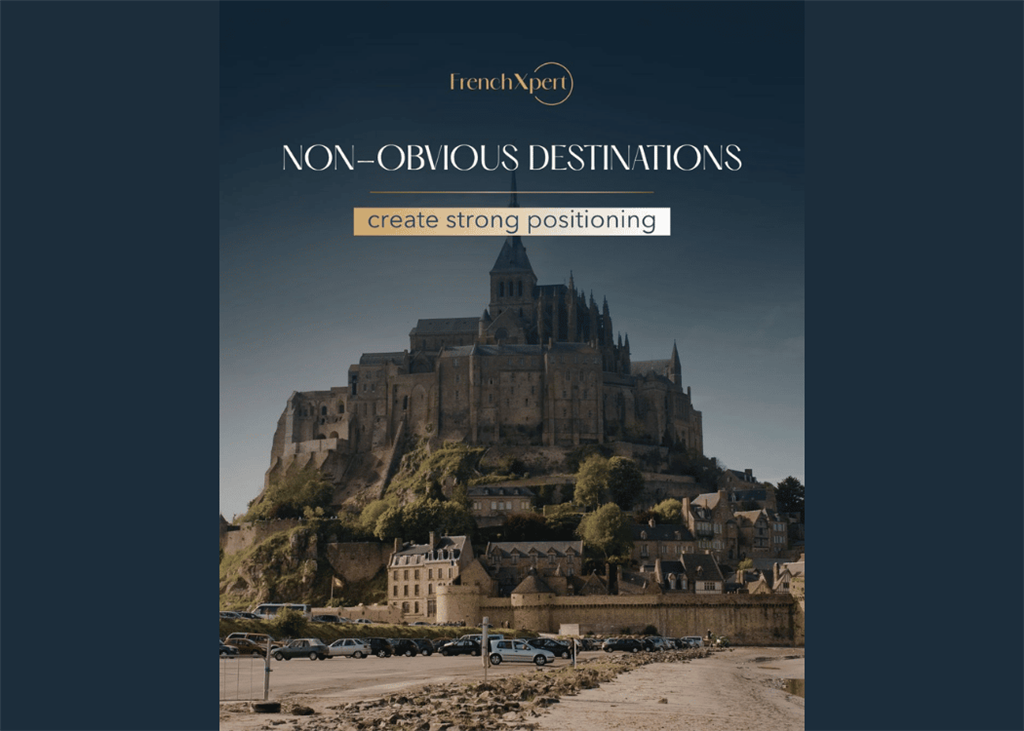
The international education sector has reached a point where many recruitment strategies look remarkably similar. Institutions compete for attention in the same destinations, agencies promote nearly identical study options, and marketing campaigns often rely on narratives students have already seen countless times before.
For education providers and international student recruitment agencies, this creates a growing challenge. When every institution offers the same destinations and the same promises, differentiation becomes increasingly difficult. Standing out requires more than a polished campaign or competitive pricing. It demands strategic positioning.
This is exactly why France is attracting renewed attention across the global study abroad market.
While destinations such as the United Kingdom, Canada, Australia, and the United States continue to dominate conversations, France occupies a highly valuable space that remains underutilised by many agencies and institutions. It combines academic excellence, international prestige, affordability, and strong student appeal, yet it has not reached the same level of market saturation as other major destinations.
For organisations looking to strengthen their international education portfolio, France is no longer simply an alternative destination. It is becoming a strategic advantage.
Students today are exposed to an overwhelming amount of information about studying abroad. Social media, digital advertising, education fairs, and online platforms constantly reinforce the same destination choices.
As a result, many students and parents now approach traditional study destinations with familiar expectations. This familiarity reduces excitement and can make recruitment messaging less impactful.
For agencies, this creates intense competition where differentiation often comes down to pricing, scholarships, or application incentives. For institutions, it can become increasingly difficult to establish a distinctive international positioning.
Non obvious destinations change this dynamic completely.
When agencies and institutions introduce destinations that require deeper understanding and more consultative guidance, they naturally increase their perceived value. Students rely more heavily on expert advice, institutions gain stronger positioning opportunities, and recruitment conversations become more meaningful.
France fits perfectly into this category.
France has long been recognised for academic quality, cultural influence, and global reputation. Yet compared with other leading study destinations, it remains significantly less saturated in many international recruitment markets.
This creates a rare opportunity for education providers and student recruitment agencies.
Students are already familiar with France as a global brand. Cities such as Paris, Lyon, Toulouse, and Nice carry strong international recognition. French business schools, engineering institutions, hospitality programmes, and arts education consistently rank highly worldwide.
At the same time, France often feels fresher and more distinctive compared with heavily promoted destinations.
For agencies, this allows recruitment conversations to move away from generic messaging and towards personalised positioning. For institutions, it creates opportunities to build unique international pathways and strategic partnerships that competitors may still overlook.
One of France’s strongest advantages lies in the quality and diversity of its higher education system.
The country offers internationally respected programmes across business, engineering, fashion, hospitality, culinary arts, political science, technology, and the humanities. Many institutions maintain strong industry partnerships and global rankings, helping students connect education directly with career outcomes.
In addition, France continues to expand the availability of English taught programmes, making the destination increasingly accessible to international students who may not speak French initially.
For agencies, this opens recruitment opportunities across multiple student profiles and academic interests. For institutions, France provides partnership potential that aligns with internationalisation goals and long term student mobility strategies.
Importantly, France combines this academic strength with comparatively affordable tuition and living costs when measured against several competing destinations.
In a market where value for money has become a major factor in student decision making, this matters significantly.
Modern international students increasingly evaluate destinations based on experience, lifestyle, employability, and long term personal development.
France performs strongly across all these areas.
Students are drawn to the country’s cultural heritage, global business environment, transport infrastructure, healthcare system, and access to wider Europe. The ability to travel across the continent while studying adds substantial appeal for many international applicants.
Beyond lifestyle, France also offers strong post study opportunities in sectors such as luxury management, technology, hospitality, engineering, gastronomy, and international business.
For agencies and institutions alike, this creates a more compelling student story.
Instead of competing solely on academic rankings or visa pathways, France allows recruiters to present a broader and more aspirational international education experience.
The agencies and institutions that lead tomorrow’s international education market will not necessarily be those with the largest portfolios. They will be the ones with the clearest positioning.
As student expectations evolve and competition intensifies, strategic differentiation becomes essential.
France offers a destination strategy that supports this shift. It provides credibility without oversaturation, prestige without excessive competition, and student appeal without relying on repetitive market narratives.
For education providers, this can strengthen international recruitment diversification and partnership development.
For agencies, it creates opportunities to offer more specialised expertise and higher value advisory services.
Most importantly, it positions organisations as forward thinking rather than reactive.
International education is entering a new phase where predictability no longer creates competitive advantage.
Students want meaningful experiences.
Parents want value and security.
Institutions want sustainable international growth.
Agencies want stronger differentiation.
France responds to all four.
Its combination of academic excellence, global reputation, affordability, and relatively lower market saturation creates a unique strategic opportunity for organisations willing to move beyond conventional recruitment models.
Those who recognise this shift early will be better positioned to lead future recruitment trends rather than follow them.
To explore how to approach France strategically in international education, visit FrenchXpert










2026 SchoolsandAgents (C) - Developed by Lunarsors