
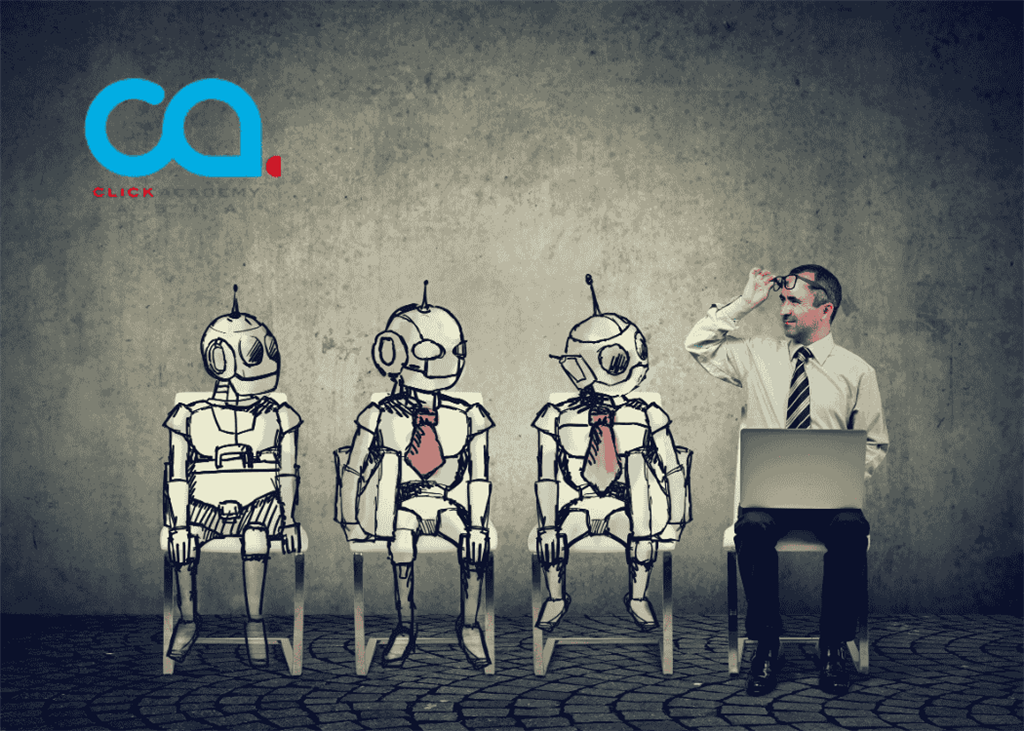
In his article The Robots Aren’t Buying. Why Your Business Needs to Be More Human, Jeffrey Gomez highlights a frustration many of us share: the gap between digital efficiency and genuine human connection.
His story begins with a chatbot that failed to resolve a simple phone bill query, contrasted with a friendly in-person interaction that solved the issue in minutes. The message is clear: efficiency without empathy doesn’t work.
This lesson is particularly relevant for the international education sector, where prospective students, parents, and partners are making life-changing decisions about study abroad. In an age of automation, institutions risk losing touch with the very people they are meant to serve.
For years, universities and schools have invested heavily in digital marketing automation, AI chatbots, and templated communications. While these tools have their place, they often fail to provide the reassurance and empathy that students and families need when navigating complex processes such as admissions, visas, and relocation.
Think of the automated emails that flood a prospective student’s inbox. They are often so generic and impersonal that they are ignored. Likewise, education chatbots may answer FAQs, but they cannot calm an anxious parent worried about accommodation or cultural adjustment.
This is the automation hangover: technology designed to streamline the enrolment journey can leave international students feeling like just another number in a CRM system.
Gomez argues that businesses should prioritise H2H—Human-to-Human—connections. For international education, this approach is not just preferable; it’s essential. Choosing a school or university abroad is one of the most personal and emotional decisions an individual will make.
Admissions Teams Who Listen First
Institutions that take time to understand a student’s aspirations, background, and concerns are more likely to build trust and secure enrolments.
Personalised Outreach
Imagine receiving a short video message from an admissions officer addressing you by name, referencing your intended course, and answering a specific question. Compare this with a bulk email titled “Apply Now for 2025!” Which would you respond to?
Student & Alumni Voices
Sharing authentic stories from current international students and alumni helps prospective students feel seen and understood. It’s peer-to-peer reassurance—something a chatbot can never replicate.
Support Beyond Admissions
Institutions that check in with students long after enrolment—asking about wellbeing, cultural adjustment, and academic progress—foster loyalty and positive word of mouth.
Adopting an H2H approach doesn’t necessarily mean discarding technology. Instead, it’s about using digital tools to support, not replace, meaningful human interaction. Here’s how education providers can do it:
Ditch the Corporate Voice
Rewrite communications in clear, conversational language. Prospective students should feel like they are talking to a person, not a brochure.
Listen Before You Pitch
Monitor social channels, attend student fairs, and invite honest feedback. Listening shows you care.
Be Helpful First
Share resources that genuinely assist students—guides on visa processes, cultural integration tips, or career advice. Help them solve problems before asking them to enrol.
Show the People Behind the Institution
Highlight admissions counsellors, lecturers, and student ambassadors. Prospective applicants want to connect with people, not faceless departments.
Build Long-Term Relationships
Recruitment shouldn’t stop at admission. International students who feel supported are more likely to recommend the institution to peers and contribute positively as alumni.
As Gomez reminds us, the strongest asset in any organisation is not technology but people. In international education, this rings especially true.
The universities and schools that will thrive in the coming years are those that blend digital efficiency with authentic human care. Because behind every application form is a young person making a life-changing choice.
In a sector often defined by rankings, algorithms, and automated funnels, the institutions that win will be the ones that put people first.
Further Reading: Jeffrey Gomez’s original article, The Robots Aren’t Buying. Why Your Business Needs to Be More Human.














2026 SchoolsandAgents (C) - Developed by Websuccess