
Recruiting students across Africa has never been as straightforward as treating the continent as a single market. While demographic trends point towards exceptional long term opportunities, the realities on the ground vary significantly from one country to another. Economic conditions, government policy, currency stability and student priorities all influence how demand for international education develops.
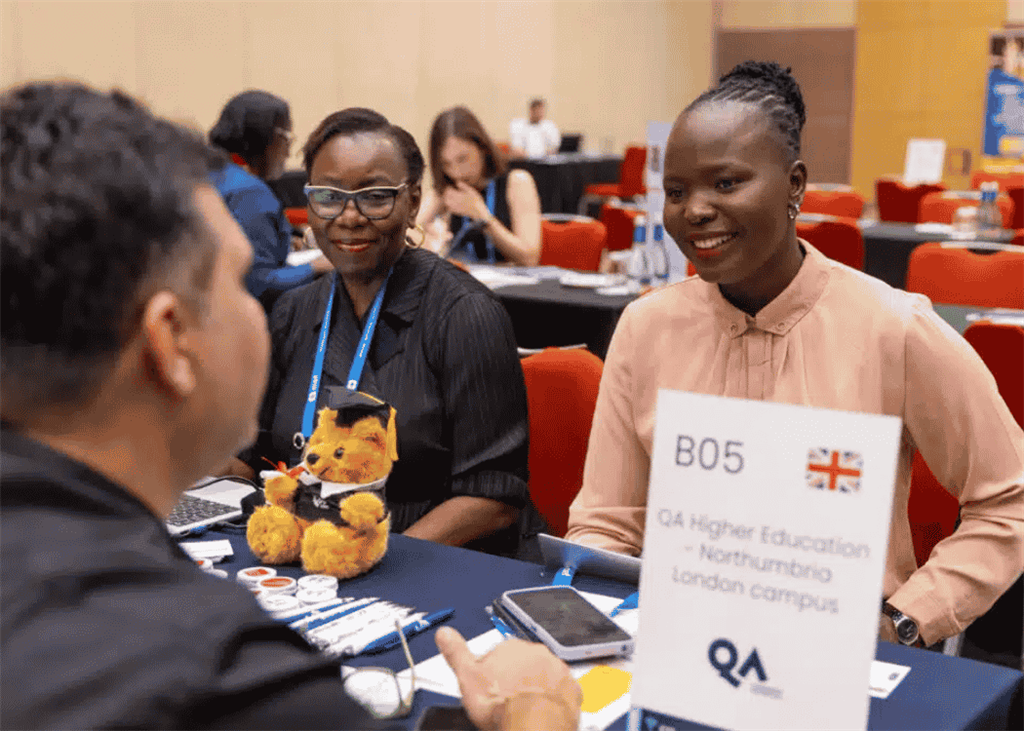
These differences were a major focus at ICEF Africa, held in Accra, Ghana from 24 to 26 June 2026. Bringing together education providers and ICEF screened agencies from more than 25 countries, the event highlighted the importance of understanding individual markets rather than relying on broad regional assumptions.
Africa is home to one of the youngest populations in the world. By 2080, the number of people aged between 15 and 24 is projected to reach 500 million, creating one of the largest future pools of internationally mobile students.
For universities, colleges, schools and pathway providers, this represents a significant opportunity. However, demographic growth alone does not guarantee increased international student recruitment. Every country will follow its own path, influenced by local economic conditions, government priorities and the aspirations of students and their families.
Education providers that recognise these differences will be better placed to develop sustainable recruitment strategies that deliver long term results.
Ghana has emerged as an increasingly important source market for international education. A growing middle class, strong interest in overseas qualifications and increasing awareness of global study opportunities continue to drive student mobility.
At the same time, students and parents are becoming more selective in their decision making. Affordability remains a key consideration, particularly as currency fluctuations affect the overall cost of studying abroad.
Prospective students are also paying closer attention to graduate employment outcomes, post study work opportunities and visa policies before deciding where to study. An international qualification is increasingly viewed as an investment, with families seeking clear evidence of long term value.
These changing expectations mean education providers need to communicate more effectively about outcomes, employability and student support, rather than focusing solely on institutional reputation.
One of the strongest messages from ICEF Africa 2026 was that Africa cannot be approached as a single recruitment market.
Countries across the continent differ considerably in terms of economic development, education systems, language, funding options and student motivations. Factors such as currency pressure, visa accessibility, political stability and employment prospects all shape demand for international education in different ways.
A recruitment strategy that performs well in Ghana may require significant adaptation before it succeeds in markets such as Nigeria, Kenya, Egypt or South Africa.
Understanding these local differences is essential for institutions seeking consistent and sustainable recruitment growth.
Successful student recruitment depends on more than market data. It requires trusted local knowledge and experienced partners who understand student expectations, application processes and changing market conditions.
ICEF Africa provided education providers with opportunities to meet carefully screened agencies from more than 25 countries across Africa and beyond. These partnerships allow institutions to develop recruitment strategies that reflect the realities of individual markets rather than relying on assumptions.
Experienced agencies also provide valuable insights into emerging trends, helping institutions respond quickly to changes in student demand, government policy and destination preferences.
As competition for international students continues to increase, education providers are placing greater emphasis on quality partnerships and market intelligence.
Country specific recruitment strategies enable institutions to allocate resources more effectively, develop targeted marketing campaigns and build stronger relationships with prospective students and their families.
Events such as ICEF Africa create an environment where providers and agencies can exchange knowledge, identify new opportunities and strengthen partnerships that support sustainable student recruitment over the long term.
Africa's growing youth population presents one of the most significant long term opportunities for international education. However, success will depend on recognising the diversity that exists across the continent.
There is no single approach that will work across every market. Institutions that invest in local expertise, build trusted agency partnerships and develop informed recruitment strategies for individual countries will be best positioned to meet the needs of Africa's next generation of internationally mobile students.
ICEF Africa 2026 reinforced an important message for the sector. Africa is not one student recruitment market. It is a collection of diverse, dynamic and rapidly evolving markets, each offering unique opportunities for education providers willing to understand their individual characteristics.










2026 SchoolsandAgents (C) - Developed by Websuccess